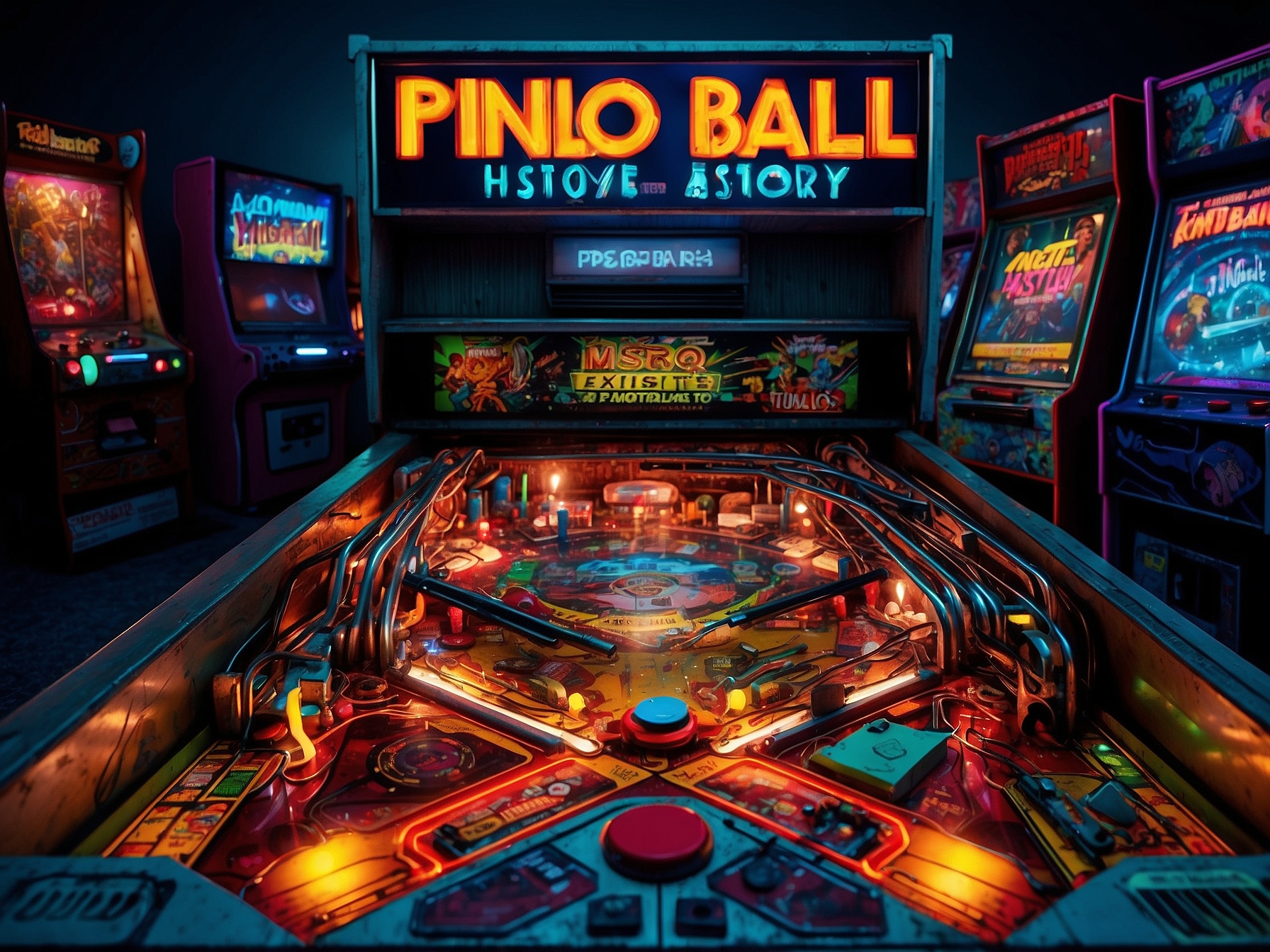
Pinball History: Browser Games Revival Story
Discover pinball history from smoky arcades to modern browser pinball games. This revival shows how HTML5 tables keep the silver ball flipping for new generations of retro fans.
Pinball History: The Rise and Fall (and Rise Again) of Pinball in Browser Gaming
Pinball history stretches back over a century, but its journey into browser gaming represents one of the most fascinating digital revivals in retro entertainment. From massive physical cabinets in smoky arcades to lightweight HTML5 recreations playable in any modern browser, pinball has proven remarkably adaptable. This comprehensive guide traces every twist in pinball history, highlighting how browser pinball games keep the silver ball flipping for new generations.
The Origins of Pinball History and Early Arcade Dominance
Pinball machines first emerged in the early 20th century as coin-operated bagatelle games. By the 1930s, companies like Gottlieb and Bally transformed simple plunger-and-bumper setups into electrified wonders. The 1940s and 1950s saw the addition of flippers, turning passive games into skill-based challenges that captivated post-war America. These machines became cultural fixtures in diners, bowling alleys, and dedicated arcades.
The golden age arrived in the 1970s and 1980s when solid-state electronics replaced mechanical relays. Games like *The Addams Family* and *Twilight Zone* featured complex rulesets, multi-ball modes, and elaborate artwork. Sales data from the era shows peak production exceeding 100,000 units annually for top titles. Physical pinball machines dominated entertainment venues, offering tactile feedback and social competition that no home console could match at the time.
Cultural impact was profound. Movies such as *Tommy* and *The Simpsons* episodes cemented pinball as a symbol of rebellion and fun. High scores were tracked on paper leaderboards, and players traveled between arcades chasing the next great table. This era established the core loop of precision shots, risk-reward ramp combos, and narrative progression through playfield objectives.
The Digital Transition: From 3D Pinball Space Cadet to Browser Experiments
The decline of physical arcades in the late 1990s coincided with the rise of PC gaming. Microsoft’s inclusion of 3D Pinball Space Cadet in Windows 95 introduced millions to digital pinball. The game featured realistic physics simulation, multiple tables, and accessible controls using only the arrow keys and spacebar.
Browser pinball games emerged shortly after with early Flash titles. Developers recreated classic mechanics in web formats, allowing instant play without downloads. Sites hosted dozens of clones, from simple two-flipper affairs to themed experiences based on movies and music. These early experiments proved that pinball translated surprisingly well to the browser environment despite limited graphics and input options.
The shift to HTML5 in the 2010s removed Flash dependencies and enabled mobile compatibility. Modern browser pinball games now feature advanced physics engines, particle effects, and even online leaderboards. Players can enjoy authentic-feeling tables on laptops, tablets, or phones during commutes, keeping pinball history alive through accessible digital portals.
Why Browser Pinball Games Thrive in the Modern Era
Browser pinball games succeed today because they eliminate barriers that once limited the hobby. No quarters are required, no space for a full cabinet is needed, and no maintenance for worn bumpers or burned-out lights is necessary. A quick search delivers dozens of free experiences ranging from faithful recreations to innovative twists.
Nostalgia drives much of the appeal. Adults who grew up with physical machines or Windows pinball can relive those moments instantly. Younger players discover the genre through viral browser hits that emphasize quick sessions rather than marathon arcade visits. The format supports both casual five-minute plays and deep rule-set mastery.
Community features such as shared replays and global high-score tracking add competitive layers previously reserved for dedicated arcades. Developers frequently update tables with new missions, keeping content fresh. This constant evolution ensures pinball history remains relevant rather than frozen in amber.
Cultural Impact and Nostalgia Factor in Browser Formats
Pinball has always reflected popular culture, and browser versions continue that tradition with licensed tables featuring everything from classic rock bands to blockbuster films. The low development cost of digital tables allows niche themes that physical manufacturers would never risk producing.
Nostalgia manifests through pixel-art aesthetics and chiptune soundtracks that evoke 1990s shareware eras. Many browser pinball games deliberately emulate the look and feel of *3D Pinball Space Cadet* while adding modern polish. Players report strong emotional connections when they recognize familiar table layouts or sound effects from childhood.
The social aspect persists online through Discord servers and Reddit communities where fans discuss optimal strategies and share browser game recommendations. This digital camaraderie mirrors the old arcade culture while reaching a global audience far larger than any physical location could accommodate.
Recommended Gear for Enhanced Browser Pinball Sessions
While browser pinball requires minimal hardware, certain peripherals dramatically improve the experience. A quality mechanical keyboard provides precise flipper control and satisfying tactile feedback that mimics real machine buttons.
Logitech G502 Gaming Mouse ↗ offers programmable buttons ideal for nudging and launching the ball with accuracy. Its ergonomic design prevents fatigue during extended sessions.
For audio immersion, HyperX Cloud II Headset ↗ delivers crisp sound effects and music that physical cabinets once provided through large speakers.
Shop Toys & Games on Amazon ↗ for additional pinball-themed accessories and collectibles that complement your digital setup.
Comparing Classic Physical Machines to Modern Browser Pinball Games
Physical pinball machines offer unmatched haptic feedback and social presence but require significant investment and space. Browser versions sacrifice some sensory elements for convenience and zero cost.
| Aspect | Physical Machines | Browser Pinball Games |
|---|---|---|
| Cost | $500–$10,000+ | Free–$10 for premium versions |
| Accessibility | Arcade or home setup required | Any device with internet |
| Physics Realism | Superior real-world physics | Very good with modern engines |
| Maintenance | Regular repairs needed | None |
| Multiplayer | Local only | Global leaderboards |
Many enthusiasts own both, using browser games for daily practice and physical tables for special occasions.
The Bottom Line
Pinball history demonstrates remarkable resilience. From arcade glory days through digital dark periods to today’s thriving browser ecosystem, the silver ball continues to roll. Browser pinball games preserve the essence of the original experience while adapting perfectly to contemporary lifestyles. Whether you seek pure nostalgia or fresh challenges, the genre remains as engaging as ever.
Frequently Asked Questions
What is the most accurate browser recreation of classic pinball history tables? Several high-fidelity HTML5 ports exist that faithfully recreate legendary tables from the 1980s and 1990s. These versions use advanced physics calculations to match real machine behavior, including proper flipper timing, ball trajectory, and bonus multipliers. Players often cite specific browser titles that include original artwork and sound samples as the closest digital experiences available without owning physical hardware.
How did 3D Pinball Space Cadet influence modern browser pinball games? Microsoft’s iconic Windows title introduced generations to digital pinball mechanics and established expectations for table complexity and scoring systems. Modern browser developers frequently reference its design philosophy when creating accessible yet deep experiences. Many current games include similar mission structures and power-up features first popularized in that classic.
Are there completely free browser pinball games with no ads? Yes, several open-source and community-driven projects offer ad-free experiences hosted on personal sites or non-profit platforms. These titles often focus on original table designs rather than licensed content. Searching for open-source pinball projects yields reliable options that run directly in Chrome, Firefox, or Edge.
Can browser pinball games support controller input like real machines? Many modern browser titles include full gamepad support, allowing players to use arcade-style controllers or console gamepads for a more authentic feel. Mapping flipper buttons to shoulder triggers and the plunger to an analog stick recreates the physical experience surprisingly well. Check each game’s settings menu for controller configuration options.
What makes browser pinball different from mobile pinball apps? Browser versions typically require no installation and update automatically, while mobile apps often include more aggressive monetization and offline capabilities. Browser games excel at quick access across multiple devices, whereas apps may offer better touch optimization on phones. Both formats contribute to keeping pinball history accessible.
How do developers recreate realistic physics in browser pinball games? Modern titles leverage JavaScript physics libraries and WebGL for rendering to simulate gravity, friction, and collisions with high accuracy. Developers study real machine data and video footage to calibrate ball behavior. The result is gameplay that feels remarkably close to physical tables despite running entirely in the browser.
Is there a browser pinball community similar to old arcade scenes? Active forums, Discord servers, and leaderboards create vibrant online communities where players share strategies, compete for high scores, and discuss new releases. These spaces replicate the social competition of classic arcades while being accessible worldwide. Many events include tournaments with prizes for top browser scores.
What future developments are expected for browser pinball games? Expect improved VR integration, more licensed tables, and enhanced multiplayer modes in coming years. Advances in web technologies will allow even more realistic physics and visual effects. The format’s low barrier to entry ensures continued innovation while honoring classic pinball history.
How can I find the best browser pinball games right now? Search reputable gaming portals and retro-focused sites for curated lists updated regularly. Look for titles with strong community ratings and frequent developer updates. Many collections feature both public domain classics and original creations.
Do browser pinball games work well on older computers? Most HTML5 pinball experiences are optimized for modest hardware and run smoothly even on machines from the mid-2010s. Disabling advanced graphics options further improves performance if needed. This accessibility helps preserve pinball history for players without cutting-edge equipment.