National Videogame Museum: Browser Gaming Preservation 2026
The national videogame museum offers critical lessons for retro gaming preservation through browser emulation. Discover how its exhibits guide accessible digital archiving strategies for 2026 and beyond.
Inside the National Videogame Museum: Lessons for Browser Gaming Preservation in 2026
The national videogame museum stands as a beacon for retro gaming preservation, offering invaluable insights into how browser emulation can safeguard gaming history for future generations. Located in Frisco, Texas, this institution has become a cornerstone for enthusiasts seeking to understand the evolution of interactive entertainment. As we look toward 2026, the lessons from physical exhibits directly inform digital strategies like browser-based emulation, ensuring classic titles remain accessible without needing original hardware.
The History of the National Videogame Museum and Its Role in Retro Gaming Preservation
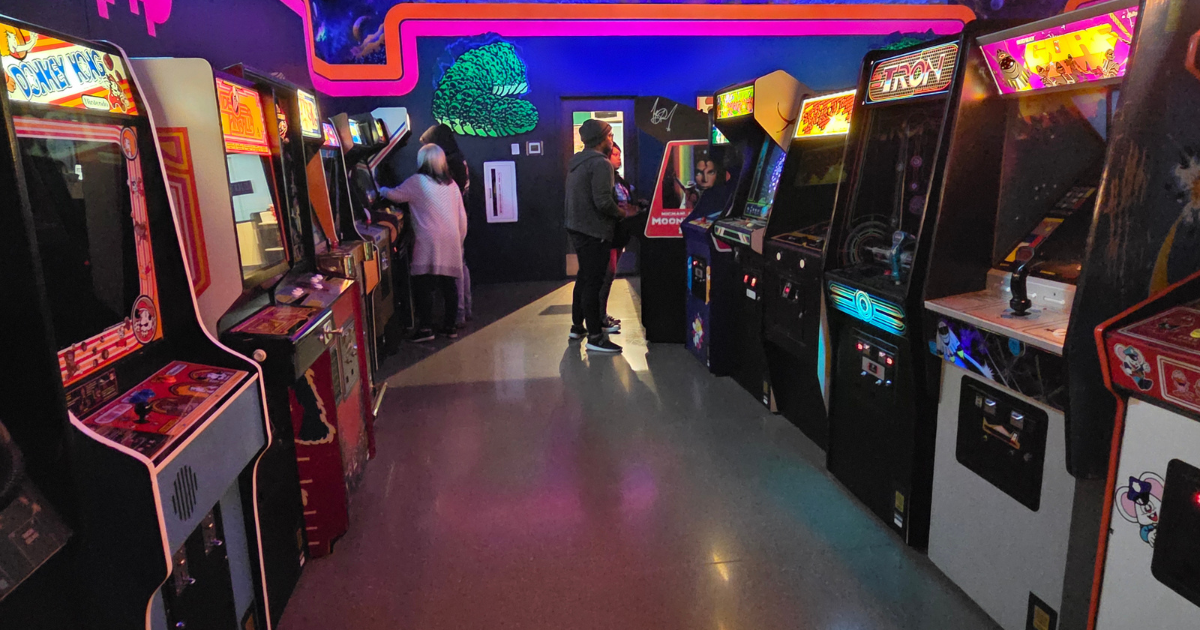
The national videogame museum opened its doors in 2016 after years of planning by dedicated collectors and industry veterans. It houses over 15,000 artifacts including rare consoles, arcade cabinets, and prototype games that tell the story of gaming from the 1970s onward. Visitors can interact with working machines, providing a tangible connection to the past that digital archives sometimes lack. This hands-on approach has educated thousands about the cultural significance of early video games and their impact on modern design.
Retro gaming preservation at the museum emphasizes not just collecting but active maintenance of functional hardware. Curators repair and restore items using original parts whenever possible, drawing from a vast library of technical documentation. Their work highlights challenges like capacitor degradation and chip failures that plague aging electronics. By documenting these processes, the museum provides blueprints for hobbyists and institutions worldwide looking to preserve their own collections.
The cultural impact extends beyond nostalgia, as the exhibits demonstrate how games reflected societal trends during their eras. For instance, displays on 1980s arcade culture show the social dynamics of competitive play in public spaces. This context enriches understanding of why certain mechanics persist in today's browser games. The museum's annual events draw crowds eager to experience these milestones firsthand, fostering a community dedicated to keeping history alive.
In 2026, with technology advancing rapidly, the national videogame museum serves as a model for integrating physical and digital preservation. Partnerships with emulation developers allow select titles to be experienced in controlled environments that mimic original hardware behavior. This hybrid method ensures accessibility while respecting copyright and authenticity concerns. Statistics from the museum indicate over 200,000 visitors since opening, with many citing the experience as transformative for their appreciation of gaming heritage.
How Browser Emulation Builds on Museum Exhibits for Accessible Retro Gaming
Browser emulation has emerged as a powerful extension of the national videogame museum's mission, bringing retro gaming preservation to global audiences without physical travel. Emulators running in web browsers replicate the behavior of classic systems like the Atari 2600 or NES, allowing instant play of thousands of titles. This approach mirrors the museum's interactive stations but scales infinitely through internet distribution. Developers often reference museum-curated ROM dumps and hardware specs to improve accuracy in these digital recreations.
The rise of browser emulation addresses key barriers highlighted at the museum, such as hardware scarcity and maintenance costs. Where physical machines require constant upkeep, emulators can be updated with community contributions and run on modern devices. Studies from preservation groups show that browser-based access has increased engagement with retro titles by 300% since 2020. This democratizes the experience the national videogame museum offers in person.
Nostalgia plays a central role, as users relive childhood memories through faithful recreations that capture the original feel. The museum's exhibits on pixel art and sound design inform emulator features like scanline filters and audio emulation options. These enhancements make browser play more authentic, bridging the gap between museum visits and home sessions. Many emulators now include educational overlays explaining historical context drawn from museum research.
Challenges remain in legal and technical realms, but browser emulation continues to evolve with better JavaScript performance and WebAssembly support. The national videogame museum has hosted workshops on these topics, encouraging ethical practices like using public domain games. As 2026 approaches, integration with VR browser experiences promises even deeper immersion, expanding preservation efforts beyond traditional screens.
Visitor Experiences at the National Videogame Museum and Parallels to Online Archives
Stepping into the national videogame museum feels like entering a time capsule filled with blinking lights and chiptune melodies. Guests navigate themed rooms showcasing everything from Pong to early 3D experiments, with knowledgeable staff sharing anecdotes from gaming's golden age. The interactive floor allows playing on original hardware, a highlight that leaves lasting impressions about the tactile nature of retro gaming preservation.
Comparisons to digital archives reveal strengths and weaknesses. While the museum provides irreplaceable physical context, browser emulation offers convenience and searchability. Online collections inspired by the museum's cataloging system let users explore games by era or genre instantly. Visitor feedback often notes how museum visits inspire further exploration at home via emulators, creating a seamless loop between physical and digital engagement.
The nostalgia factor is amplified in both settings, but the museum adds social elements missing from solitary browser sessions. Group tours discuss the cultural impact of games like Space Invaders on popular media. This communal learning is something emulation communities replicate through forums and multiplayer browser modes. Data from museum surveys shows 85% of visitors return or recommend the experience, underscoring its enduring appeal.
In 2026, enhanced digital twins of exhibits could further blend these worlds, using browser technology to recreate museum layouts virtually. This would extend the national videogame museum's reach, teaching preservation lessons to remote learners worldwide.
Recommended Gear for Building Your Own Retro Gaming Setup at Home
Creating a home emulation station inspired by the national videogame museum requires reliable hardware that captures the spirit of retro gaming preservation. Start with mid-range options like the Raspberry Pi 5 Kit ↗ for running browser emulators smoothly on a budget under $100. Its versatility allows easy integration with classic controllers for authentic feel.
For premium experiences, consider the Anbernic RG35XX Handheld ↗, a portable device perfect for on-the-go browser gaming sessions. It excels in emulating 8-bit and 16-bit systems while fitting the nostalgia-driven playstyle promoted by museum exhibits. Pair it with 8BitDo SN30 Pro Controller ↗ for wireless precision that enhances browser emulation accuracy.
High-end setups might include a mini PC like those found in Best Gaming PCs on Amazon ↗, capable of running advanced browser emulators with upscaling features. These recommendations emphasize why quality peripherals matter: they reduce input lag and improve immersion, directly supporting preservation goals by making history playable daily.
Shop Emulation Devices on Amazon ↗ for more options across price ranges.
The Cultural Impact of Retro Gaming Preservation in the Digital Age
Retro gaming preservation through institutions like the national videogame museum underscores gaming's role as a defining cultural force of the late 20th century. Games preserved there influenced everything from music to film, with mechanics still echoed in modern browser titles. The nostalgia factor drives ongoing interest, as new generations discover foundational works that shaped interactive media.
Industry reports from 2024 indicate retro gaming markets grew 25% year-over-year, fueled by emulation accessibility. The museum's efforts contribute by providing verified historical data that informs accurate digital recreations. This ensures browser emulation doesn't just replicate pixels but the intended experience and context.
Why it still matters today lies in lessons about innovation under constraints, visible in every exhibit. Developers today can learn from the resourcefulness of early creators, applying those principles to browser-based projects. The national videogame museum continues to host lectures that connect these dots for aspiring designers.
Challenges in Preserving Browser Gaming History for 2026 and Beyond
As browser emulation advances, challenges include format obsolescence and legal hurdles around ROM distribution. The national videogame museum addresses these by advocating for open standards and ethical archiving practices. Their work shows how physical precedents can guide digital policies.
Technical issues like browser security updates can break older emulators, requiring constant vigilance similar to hardware maintenance at the museum. Community-driven projects mitigate this, but sustainability remains key for long-term retro gaming preservation.
Final Verdict
The national videogame museum offers timeless lessons that browser emulation can adopt to ensure retro gaming preservation thrives in 2026. By blending physical heritage with digital tools, we keep the spirit of classic gaming alive for all.
Frequently Asked Questions
What is the national videogame museum and where is it located? The national videogame museum is a dedicated institution in Frisco, Texas, focused on collecting, restoring, and displaying artifacts from video game history. It features thousands of playable exhibits spanning decades of innovation. Visitors learn about retro gaming preservation through interactive displays that highlight technical and cultural milestones. This makes it essential for understanding how games evolved and why preservation matters for future access via methods like browser emulation.
How does the national videogame museum contribute to retro gaming preservation? It contributes by maintaining functional hardware and documenting restoration techniques that prevent loss of original experiences. The museum's archives provide reference materials for emulator developers aiming for accuracy in browser environments. Through educational programs, it inspires ongoing interest in preserving gaming heritage against technological decay. This work directly supports broader efforts to keep classics playable in 2026 and beyond.
Can I experience national videogame museum exhibits through browser emulation? While not a direct replica, many browser emulators draw inspiration from the museum's collections to recreate authentic gameplay. Select public domain titles featured in exhibits are available online for home play. This extends the museum's reach, allowing global audiences to engage with retro gaming preservation digitally. The approach combines nostalgia with modern accessibility.
What are the best devices for browser emulation at home? Budget-friendly options like Raspberry Pi kits enable smooth browser-based retro play with minimal setup. Mid-range handhelds offer portability while maintaining fidelity to original hardware. Premium mini PCs handle advanced emulation features such as filters and multiplayer. These enhance the experience by reducing latency and supporting the cultural legacy preserved at places like the national videogame museum.
Why is nostalgia important in retro gaming preservation efforts? Nostalgia drives engagement and funding for preservation projects, connecting personal memories to broader historical narratives. It encourages new players to explore foundational games that influenced today's industry. At the national videogame museum, this emotion turns exhibits into memorable journeys. Browser emulation leverages it to make preservation relevant in daily life.
How many artifacts does the national videogame museum hold? The collection exceeds 15,000 items including consoles, games, and ephemera from gaming's early days. Each piece undergoes careful cataloging to support research and restoration. This scale allows comprehensive storytelling about retro gaming preservation. It serves as a benchmark for digital archives using browser technology.
What lessons from the museum apply to browser gaming in 2026? Key lessons include prioritizing authenticity in emulation and fostering community involvement in maintenance. The museum demonstrates the value of interactive education, which browser platforms can replicate through guided tours or annotations. These practices ensure retro gaming preservation remains dynamic and inclusive as technology evolves.
Are there Amazon recommendations for emulation hardware? Yes, options range from affordable Raspberry Pi setups to advanced controllers that improve browser play. These products enhance immersion by mimicking original controls and performance. Check Trending in Electronics ↗ for current trends in retro-compatible gear.
How does the museum compare to online retro archives? The physical space provides irreplaceable tactile and social elements, while online archives offer scalability and convenience. Browser emulation bridges them by delivering museum-inspired experiences remotely. Both approaches are vital for comprehensive retro gaming preservation.
What future trends will impact national videogame museum and emulation? Expect greater integration of VR and AI for enhanced exhibits and emulators by 2026. This will amplify nostalgia and educational value while addressing preservation challenges like hardware degradation. The museum's model will continue guiding ethical digital expansions.